The International Monetary Fund (IMF) has warned that the global economy could face a significantly worse outlook if ongoing geopolitical tensions continue to disrupt energy markets and keep oil prices elevated for an extended period.
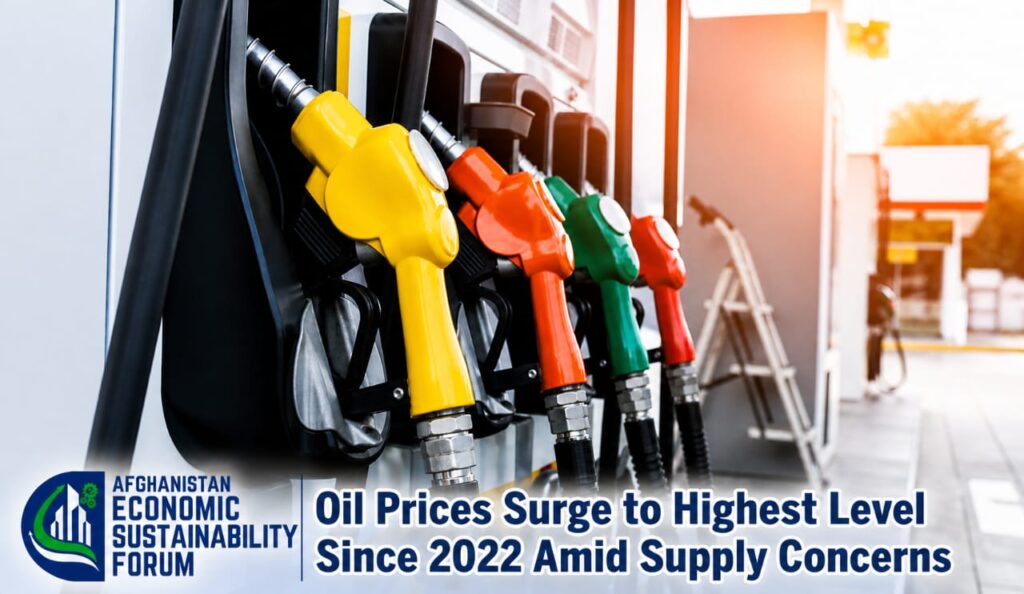
IMF Managing Director Kristalina Georgieva said inflationary pressures are already rising globally, and the economic outlook would deteriorate further if crude oil prices were to climb to around $125 per barrel and supply disruptions persist into 2027.
According to the IMF’s updated projections, the “adverse scenario” now anticipates global economic growth slowing to about 2.5% in 2026, while headline inflation is expected to reach approximately 5.4%. In a more severe scenario, global growth could decline to around 2%, with inflation rising to 5.8%.
Georgieva warned that prolonged pressure on energy markets would likely push inflation higher and could eventually destabilize inflation expectations worldwide. She added that continued uncertainty could also weaken financial stability and economic confidence.
The IMF also highlighted growing risks to global supply chains, noting that higher energy costs are already affecting key inputs such as fertilizers. This could lead to a 3% to 6% increase in global food prices, further straining households and businesses across both advanced and developing economies.
Overall, the IMF stressed that the longer current conditions persist, the greater the risk to global economic stability, growth, and price control.
AESF Economic Insight
The IMF warning shows that rising global conflicts and energy shocks can seriously damage the world economy. Since Afghanistan depends heavily on imports, foreign aid, and regional trade, these global economic changes can directly affect Afghanistan’s economic situation as well.
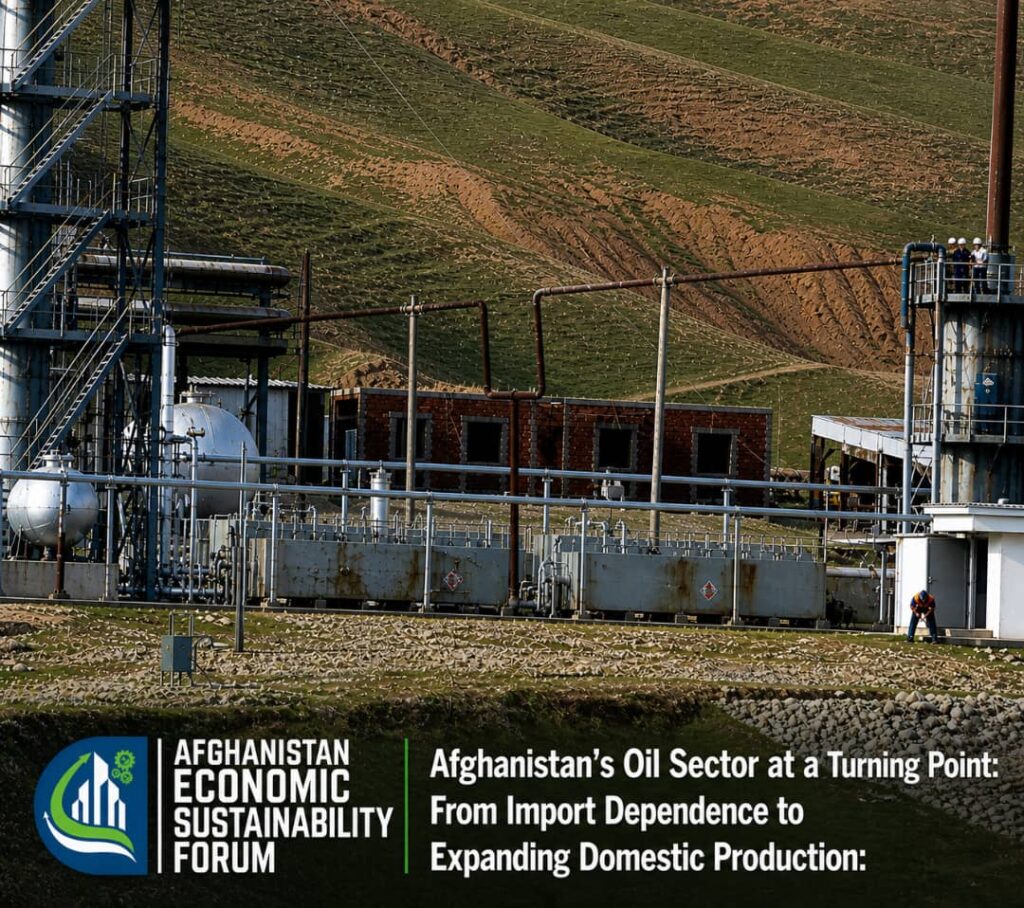
When oil and energy prices rise internationally, transportation and production costs also increase. Afghanistan imports most of its fuel, food, and industrial goods from neighboring countries. Therefore, higher global oil prices would increase the prices of goods inside Afghanistan, leading to inflation and making daily life more expensive for ordinary people. Poor households would suffer the most because a large part of their income is already spent on food and basic necessities.
These developments can be explained through several economic theories and principles. According to the theory of inflation, when production and transportation costs rise, businesses transfer these higher costs to consumers, creating “cost-push inflation.” The supply and demand principle also explains that when energy supplies become limited while demand remains high, prices naturally increase. In addition, Keynesian economic theory suggests that uncertainty and reduced investment during global crises can slow economic growth and reduce employment opportunities.
In the short run, Afghanistan may face higher fuel prices, food inflation, lower purchasing power, and increased poverty. Businesses may struggle with rising transportation and import costs, while unemployment could increase as economic activity slows down. Food insecurity may also worsen because higher fertilizer and energy costs affect agricultural production and food imports.
In the long run, continued global instability could weaken Afghanistan’s economic growth, reduce regional trade opportunities, discourage foreign investment, and increase dependence on humanitarian assistance. Persistent inflation may also reduce public confidence in markets and financial institutions. If these pressures continue for many years, they could deepen poverty and slow the country’s development process.
To reduce these risks, Afghanistan needs a balanced and practical economic policy. The government should focus on strengthening domestic agriculture and local production to reduce dependence on imports. Investment in renewable energy sources such as solar and hydropower can help lower dependence on expensive imported fuel. Maintaining stable prices, supporting poor households through targeted assistance, and encouraging regional trade cooperation are also important. In addition, improving infrastructure, creating jobs, and supporting small businesses can strengthen economic resilience against future global shocks.
Overall, the IMF’s warning highlights that global economic instability is not only an international problem but also a serious challenge for developing countries like Afghanistan. Strong economic planning, diversification, and long-term investment are necessary to protect Afghanistan’s economy from future global crises.
By: Ataullah Fazli, AESFnews Reporter