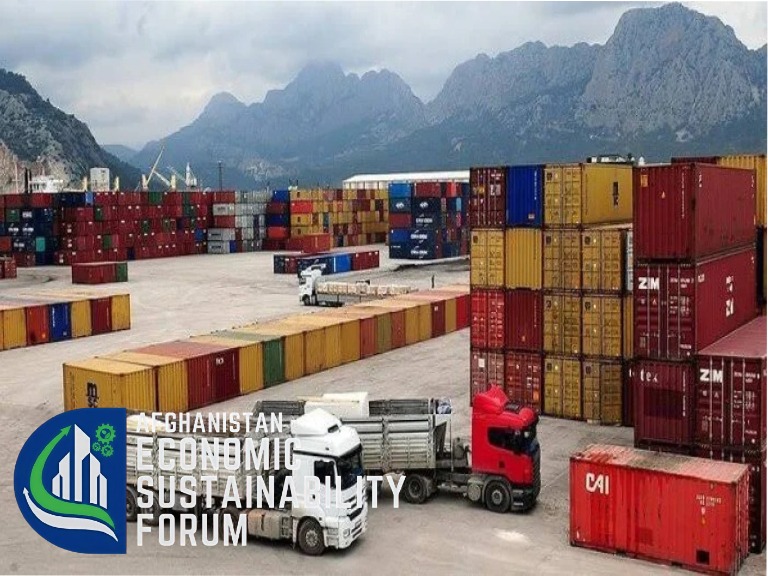
Afghanistan has become Uzbekistan’s fifth-largest trading partner after bilateral trade surpassed $508 million over the past three months, according to data released by Uzbekistan’s State Committee of Statistics.
The increase reflects a broader expansion in economic engagement between the two countries, driven by sustained growth in trade volumes and sectoral diversification. Uzbek officials stated that the rise in trade is part of a long-term economic strategy rather than a temporary surge, emphasizing the growing importance of southern markets.
Exports from Uzbekistan to Afghanistan have increased significantly, particularly in energy supplies, food products, construction materials, and industrial goods. At the same time, Afghanistan’s exports—mainly agricultural products and raw materials—have contributed to a more balanced and diversified trade structure between the two economies.
In addition to trade growth, private-sector entities from both countries have recently signed agreements worth over $518 million, signaling a new phase of commercial and investment cooperation.
The latest figures highlight strengthening economic ties and suggest continued growth in bilateral trade and investment in the near term.
AESF Economic Insight:
The growing trade volume between Afghanistan and Uzbekistan reflects a shift toward regional economic integration and reduced dependence on traditional trade routes, aligning with the principles of International Trade and comparative advantage, where both countries benefit from exchanging complementary goods. In the short run, this expansion supports market stability and income generation, though risks of trade imbalance may remain, while in the long run it can enhance economic diversification, connectivity, and industrial development in Afghanistan. To maximize benefits, Afghanistan should focus on promoting value-added exports, improving trade infrastructure, and strengthening bilateral agreements to ensure sustainable and balanced growth.
By: Ataullah Fazli, AESFnews Reporter