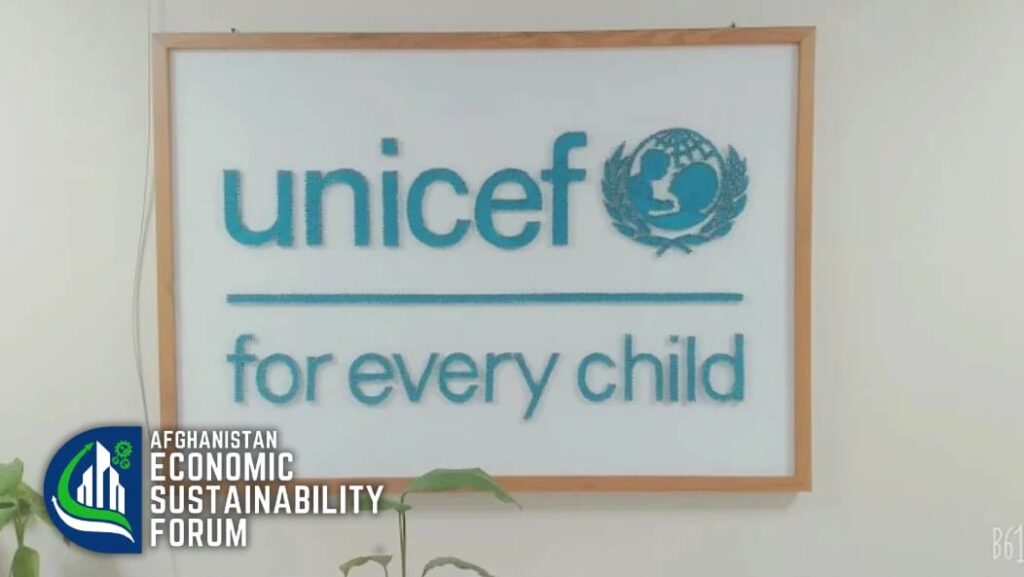
The UNICEF, in its annual report, has stated that Afghanistan’s economic outlook continues to face widespread and persistent poverty.
According to the Ministry of Economy, inflation has decreased and GDP has increased, while efforts have been made to maintain price stability despite regional tensions.
Additionally, UNICEF reported that the nutritional situation in several provinces remains critical. Acute child malnutrition decreased from 9.6% in late 2025 to 8.5% in early 2026, while food insecurity among children increased from 81% to 85%.
AESF Economics insights:
Afghanistan’s current economic situation reflects a paradox in development economics: macroeconomic indicators such as lower inflation and moderate GDP growth may improve, yet poverty and food insecurity can still worsen. According to UNICEF, economic growth in Afghanistan has not translated into improved living conditions for a large portion of the population, especially children
Globally and regionally, several economic changes have influenced Afghanistan’s economy. The slowdown in international aid after political changes, rising regional trade uncertainty, fluctuations in global food and fuel prices, and weak foreign investment have all reduced economic opportunities. Although inflation has declined, many Afghan households still face low incomes and unemployment. In neighboring countries, economic instability and geopolitical tensions have also disrupted trade routes and remittance flows, which Afghanistan heavily depends on.
These developments can be explained through different economic theories and principles. One important concept is the difference between economic growth and economic development. GDP growth alone does not guarantee an improvement in people’s welfare if income distribution remains unequal and productive employment opportunities are limited. According to Keynesian economic theory, weak aggregate demand and low consumer purchasing power can prevent economic growth from benefiting ordinary citizens. Similarly, development economics emphasizes that human capital, nutrition, healthcare, and education are essential for sustainable growth. The rise in child food insecurity despite GDP growth demonstrates the “trickle-down effect” has remained weak in Afghanistan.
In the short run, lower inflation may provide temporary price stability and slightly reduce pressure on consumers. Increased GDP may also create limited business confidence and support some trade activity. However, high poverty levels, unemployment, and worsening food insecurity continue to reduce household welfare and weaken domestic demand. Malnutrition among children can further increase healthcare burdens and reduce labor productivity.
In the long run, persistent poverty and food insecurity may seriously damage Afghanistan’s economic future. Poor nutrition and limited access to education can weaken human capital development, which is a key driver of long-term economic growth. Continued dependence on humanitarian aid and lack of industrial diversification may also keep the economy vulnerable to external shocks. If inequality and unemployment remain high, social instability and migration pressures could increase further.
The optimal policy response should combine both stabilization and development policies. The government should prioritize targeted social protection programs, food assistance, and investments in healthcare and education, especially for children and vulnerable households. At the same time, policies that encourage agricultural productivity, small businesses, and regional trade can help create employment opportunities. International cooperation and humanitarian support remain essential, but long-term economic reforms should focus on sustainable development, human capital formation, and inclusive growth so that economic progress benefits the wider population rather than only improving macroeconomic statistics.
By: Obaidurahman Niazi AESFnews Reporter